UAE-Based Egyptian Brand 'Rock by GS' Brings a Happy Take on Pharaonic
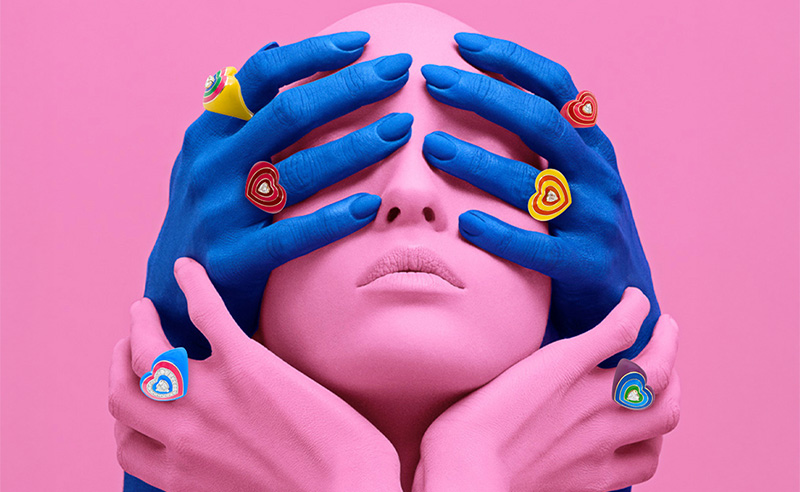
The latest Pharaonic collection at Rock by GS pairs natural diamonds and 18k white gold with a playful approach to high jewellery.
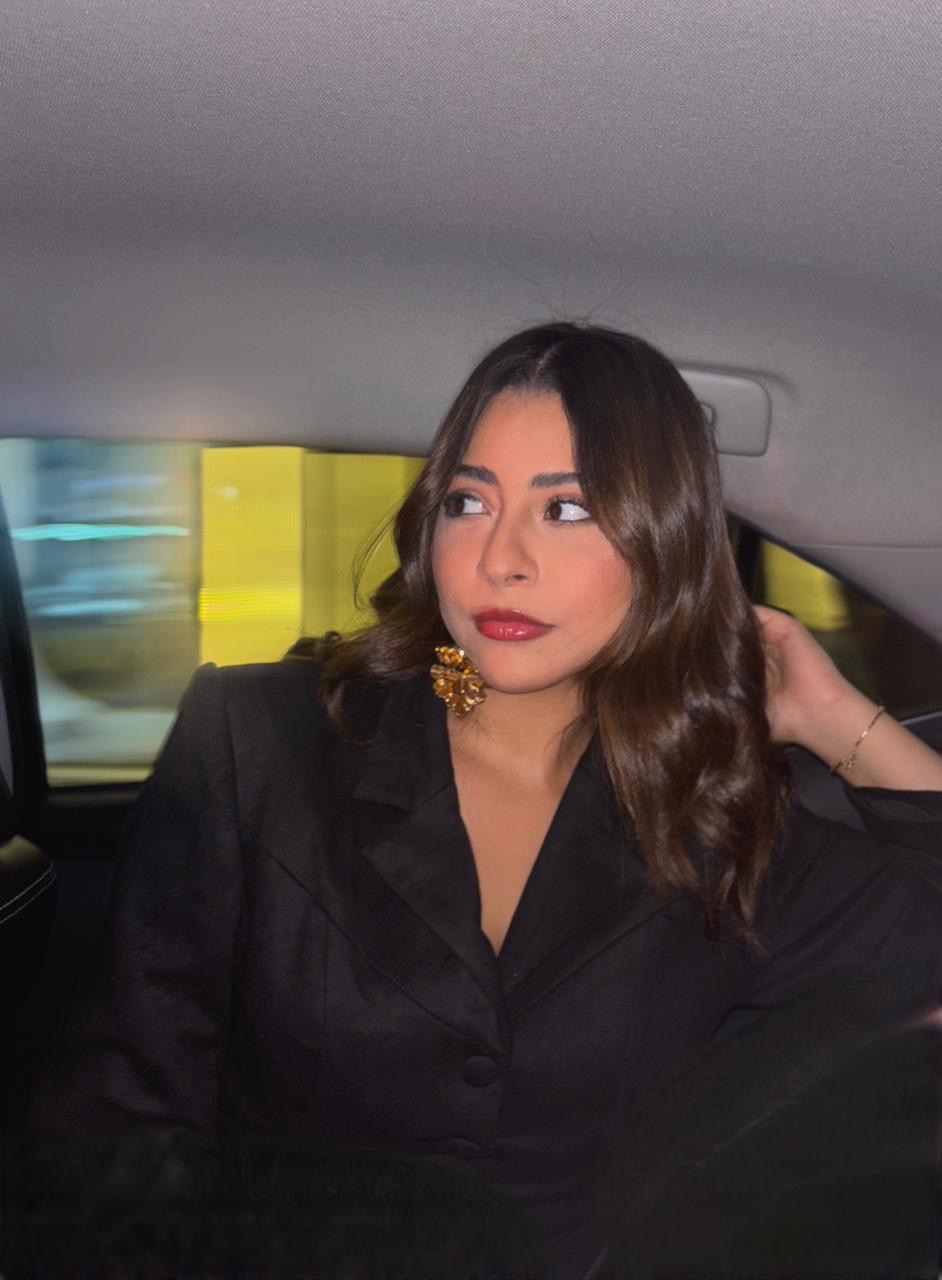
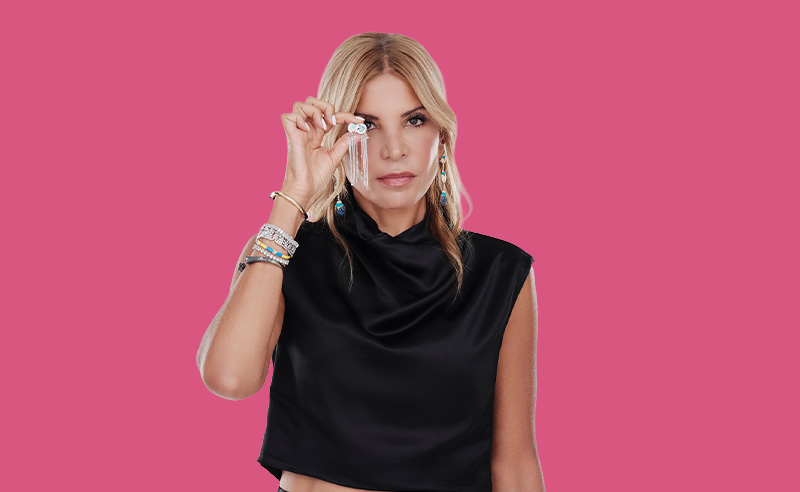
Ghada Elsokkari’s “happy jewellery” at Rock by GS mixes gold, diamonds, and Pharaonic with zero patience for boring luxury. The founder's interest sits firmly in how jewellery is worn rather than how it is signalled with pieces made with colour, movement, and ease.
“I always cared more about how people wear jewellery than about the brand name on it,” she says. “That was the starting point.”
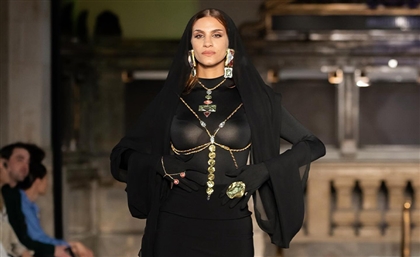
The latest Pharaonic collection at Rock by GS sits firmly in the world of high jewellery, built around natural diamonds and 18k white gold. At the centre of the collection is the reversible collier and choker, crafted in 42 grams of white gold, set with more than three carats of round diamonds and finished with enamel detailing.
 The Pharaonic direction of the brand began outside Egypt. While traveling in Europe in 2018, Ghada walked into a luxury boutique and noticed that every piece in the space leaned heavily on Ancient Egyptian references. The collection traced back to Chanel’s Métiers d’Art show held at the Temple of Dendur in New York, one of Karl Lagerfeld’s final collections for the house. Scarabs, ankhs, lotuses, gold surfaces, and temple forms had all been pulled directly into high fashion.
Global fashion houses were working with Egyptian imagery while local jewellery brands treated it mostly as souvenir design.
At the time, Pharaonic jewellery in the market followed the same narrow path: cartouches, scarabs, Liberty heads. Decorative, familiar, often mass-produced. Pharaonic jewellery in the luxury market, on the other hand, were ceremonial rather than everyday wear. El Sokkari wanted Pharaonic high jewellery that felt light, modern, and joyful, pieces that could move easily from the city to the beach, without losing their reference point. “I like to design happy jewellery.” She tells SceneStyled
Her first Pharaonic collection focused on the lotus. The timing placed it in early COVID. The lotus rises from mud, blooms above water, then returns to it.
“It felt right to release something like that during that moment,” she says.
The lotus pieces travelled faster than expected, reaching clients in Egypt and outside it. Later collections brought in the scarab, the Ankh, and Bastet, each filtered through the same “happy” design language.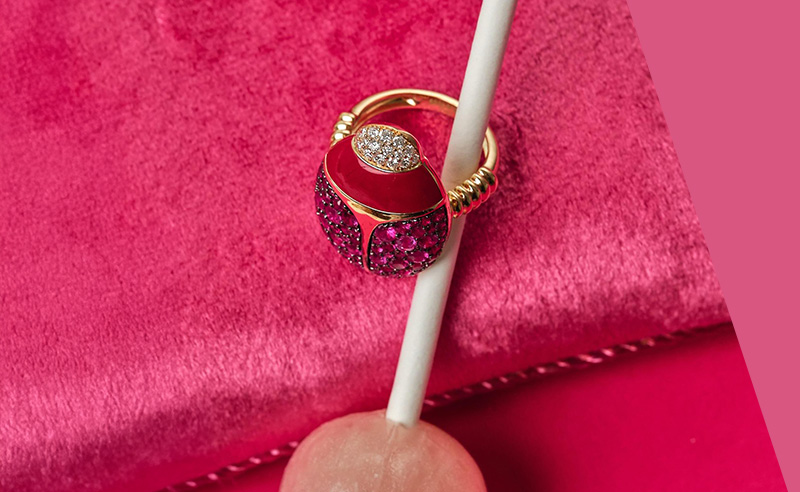 Before Rock by GS, El Sokkari worked in events. In the late 1990s, she ran one of the first agencies in the Middle East that focused only on event production. Her role leaned toward visual direction. Sets, environments, styling.
Ideas arrive at strange hours; the Crazy Eyes collection, for example, started at 4am. Eyes had long existed in jewellery through the familiar figure of the blue evil eye, El Sukkari dressed the eye layered it with stones, coated it in enamel, added colour, symbols, and texture.
El Sukkari pays attention to how people wear their jewellery and what they choose to show through it. Some lean into well-known luxury houses and want the brand to be visible to signal. Others wear fine jewellery but care more about the design itself than the name behind it. Then there are those who move between both, mixing high jewellery with costume pieces, old with new, diamonds with enamel. “I love when someone wears my pieces with their old jewellery,” she says. “That mix is the nicest way to see it.”
- Previous Article The Recession Indicator Edit
- Next Article Tunisian Actress Dorra Zarrouk Breaks Down Her Most Iconic Looks