Qatar Label Wadha Weaves Islamic Art Into Luxury Fashion
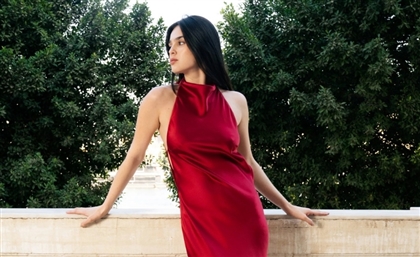
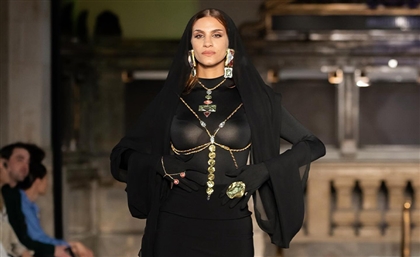
From its flagship at the National Museum of Qatar to collections worn by Sheikha Moza bint Nasser, Wadha has built a distinctly Qatari luxury language shaped by Islamic art, architecture and women.
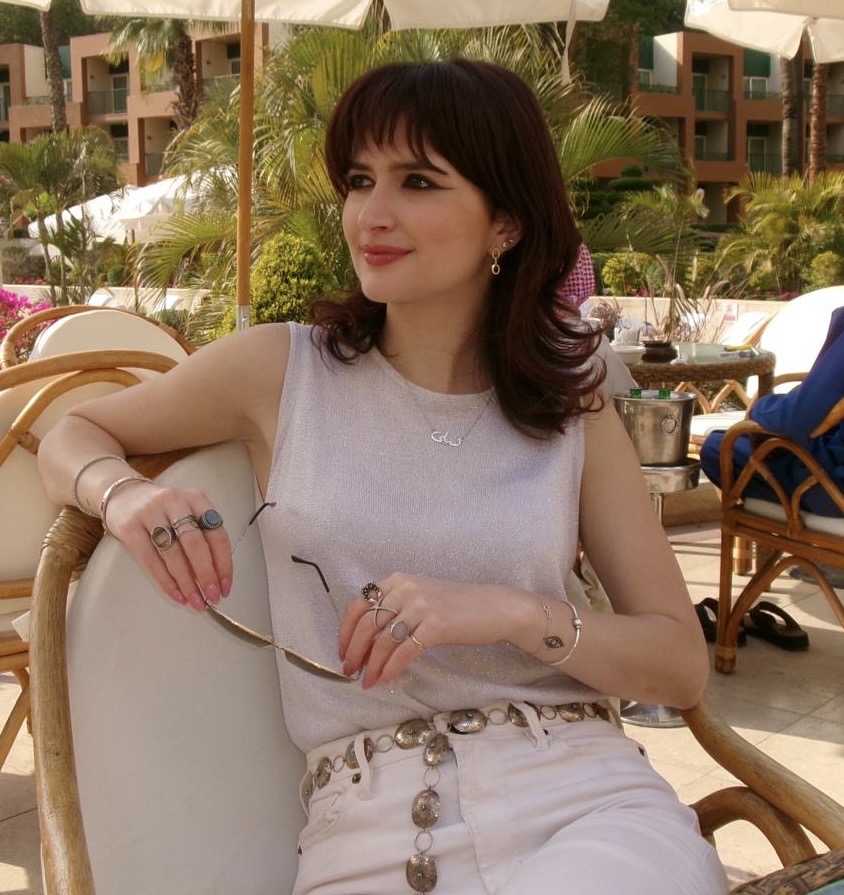
Wadha is the Qatari luxury brand nestled inside the desert rose structure of the National Museum of Qatar, greeting visitors at the entrance between its flower-petal discs. The flagship store’s placement mirrors founder and fashion designer Wadha Al-Hajri’s collections, which draw from the motifs of Islamic art and architecture and remain firmly rooted in Qatari heritage. Recently, the one-and-only Anna Wintour paid a visit to the space.
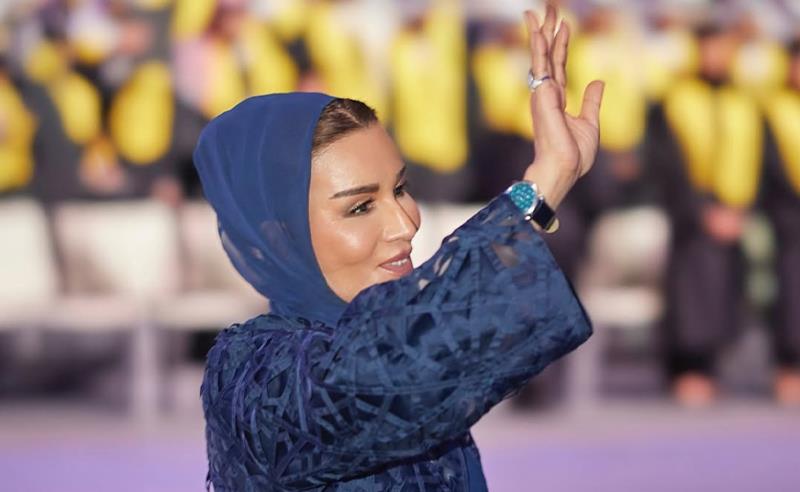
And she’s not the only icon to gravitate toward Wadha. Her Highness Sheikha Moza bint Nasser has worn the brand’s elegant evening pieces on multiple occasions, including at a United Nations gathering in New York City.
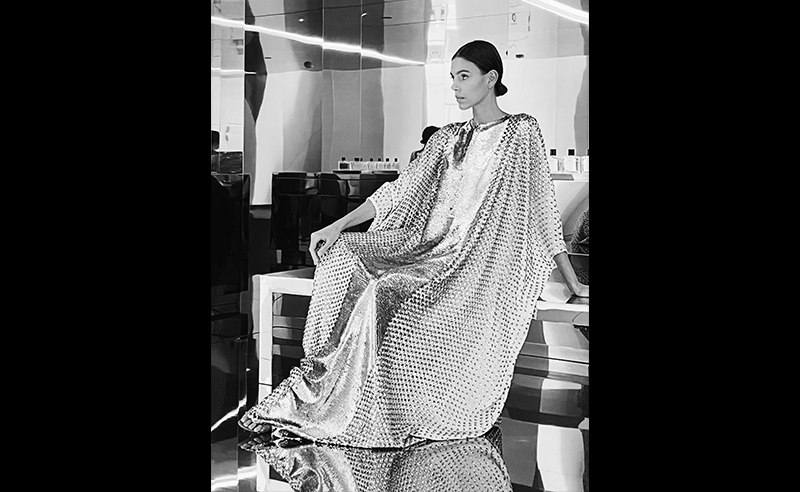 Al-Hajri established Wadha in 2010, immediately after graduating from Qatar University. A few years later, she became the first designer to showcase a collection at Mathaf: Arab Museum of Modern Art. Discovered by Vogue Italy, Al-Hajri has since presented her work at Milan, Paris, and New York Fashion Weeks. Back home in Doha, three Wadha stores - including the original - offer a timeless vision across ready-to-wear womenswear, alongside bags, perfumes, candles and even furniture.
For Al-Hajri, fashion is more than a career - it’s a lifeline. “I can’t function without designing. It’s a creative process that I can’t separate myself from,” she said. “It’s how I communicate my ideas to the world.”
Since she first launched Wadha, Al-Hajri has turned to Islamic patterns and architecture as a central source of inspiration. Some of the final pieces bearing the brand’s signature latticework now sit in Her Highness Sheikha Moza bint Nasser’s own wardrobe. The first time Al-Hajri saw her designs worn by the prominent Qatari royal was over a decade ago, at the United Nations.
“It was a big moment for us,” she said - one that encouraged her to keep going as a young designer. She was surprised when the images surfaced, unaware that her emerging label would appear at a global diplomatic gathering.
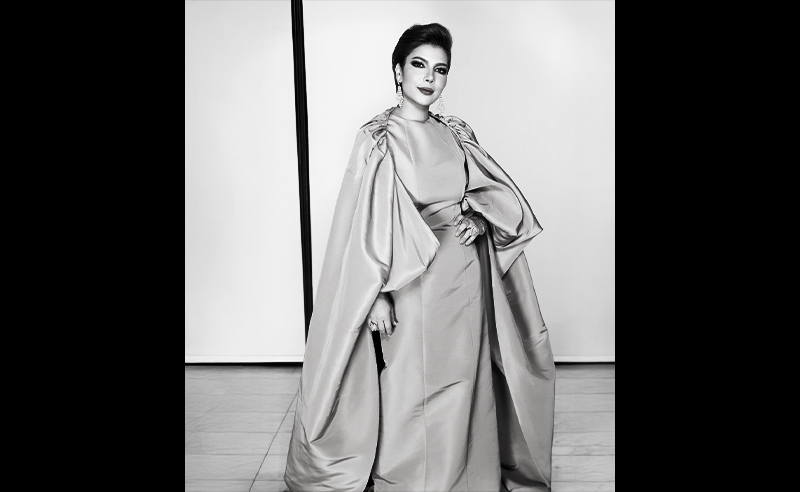 Al-Hajri doesn’t refer to the women who wear her designs as customers. Instead, she calls them “collectors” - or even “family.”
“They come from different countries, backgrounds, and fields. They are architects, doctors, artists, mothers, daughters, and grandmothers. They are strong, independent women with their own voices and personalities,” she said. “They are very loyal.”
Maintaining close relationships with the women she designs for is central to Al-Hajri’s practice. She often knows exactly who will wear a piece and for which occasion.
“It’s different when a woman designs for a woman, especially an Arab woman,” she added. “I understand their needs, how they want to look, feel and act.”
While staying close to Qatar’s heritage remains important to Al-Hajri, her designs speak to collectors around the world. One of her favourite shoots took place in Tokyo, captured just one week before the COVID-19 lockdown.
Now, as global attention turns toward the region’s fashion industry and with Wadha’s identity firmly anchored in Qatar, Al-Hajri is looking outward - seeking creative dialogue with designers across the Arab world and collaboration beyond fashion.
- Previous Article Monochrome Monday: Cloud Pink
- Next Article Elissa’s Music Video Wardrobe Deserves Its Own Archive