Matteo Zappalà on Taking the Reins at Concrete Egypt & FW26
The newly appointed CEO discusses leather, knitwear, contemporary femininity and the future of the Egyptian fashion house.

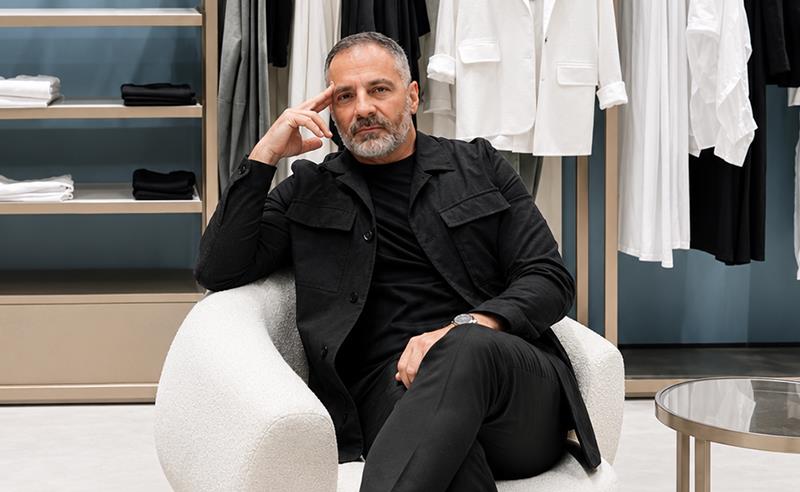
Matteo Zappalà has spent more than two decades in the company of Italian fashion houses for which the difference between a good jacket and an exceptional one can be measured in the fall of a shoulder, the suppleness of a hide, or the almost imperceptible decisions made between the cutting table and the finished garment. His career has taken him through Zegna, Loro Piana, Pal Zileri and Canali, names whose reputations have been built as much on what a garment conceals as on what it reveals. Now, as the newly appointed CEO of Concrete Egypt, Zappalà is applying that accumulated understanding of the business to a rather different undertaking: determining how an Egyptian fashion house with nearly four decades of history might find its place in the international wardrobe.
He is not, strictly speaking, a newcomer. Zappalà joined Concrete as chief operating officer in 2024. His new role places him in charge of a brand whose history is intimately bound up with the evolution of modern Egyptian menswear. Founded in 1989, Concrete emerged in a market where internationally recognised fashion houses occupied a different commercial and cultural position than they do today. Over the intervening decades, it became a familiar fixture of the Egyptian retail landscape, developing a vocabulary of tailoring and everyday dressing that would eventually extend beyond menswear into women's collections.
For Zappalà, the Fall/Winter 2026 season offers an opportunity to explain what that vocabulary might look and feel like under his leadership. And feel is very much the operative word.

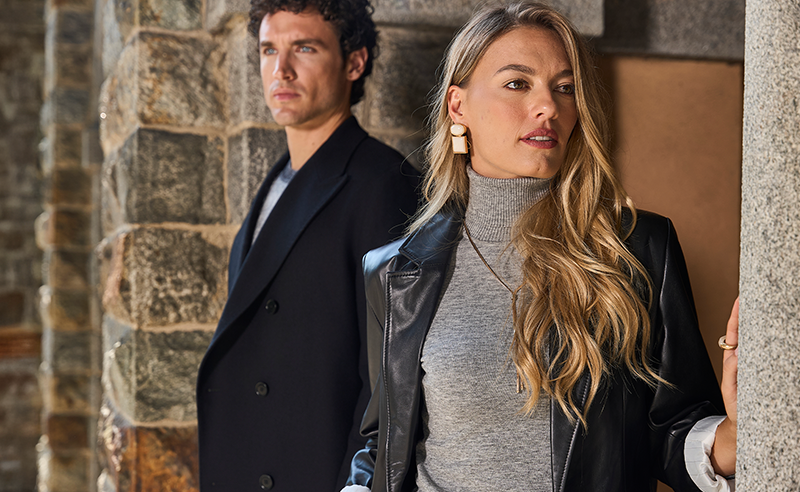
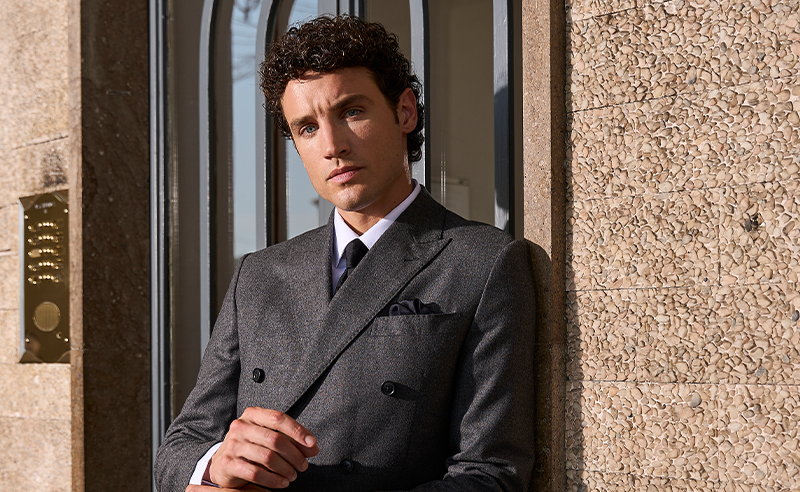
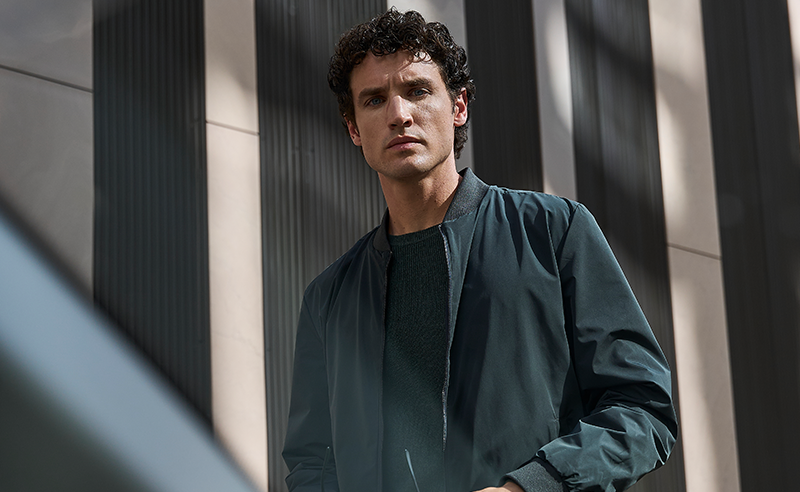
Walking us through the men's and women's collections, he speaks in the more exacting terms of fabrication. Winter, he explains, is a matter of softness, warmth and the tactile experience of getting dressed. There are leather jackets in supple nappa, worked with matelassé detailing that gives the surface a particular depth; nubuck outerwear whose apparent simplicity directs attention to the material itself; and knitwear whose three-dimensional stitches introduce texture without relying on ornament.
The women's collection pursues a similar preoccupation through a different set of proportions. Here, femininity is considered through the interplay of sartorial construction and softer, enveloping layers, with knitwear occupying a particularly important place in the wardrobe. Across both collections, Zappalà returns to the notion that quality ought to announce itself through the experience of wearing a garment, rather than through the more conspicuous declarations of fashion.
Yet the significance of his appointment extends considerably beyond the cutting room. Concrete already has a presence in the United Arab Emirates, and Zappalà speaks of taking the house further afield, into markets beyond the Middle East. He is particularly interested in the possibility that its Egyptian origins, rather than requiring translation into a more anonymous international aesthetic, might provide precisely the distinction needed to compete abroad.
That ambition arrives at an interesting moment for Egyptian fashion. The country's contemporary design landscape has become increasingly populated by independent labels, younger designers and businesses seeking to establish an identity beyond the domestic market. Concrete, however, approaches the question of international recognition with an inheritance that many emerging brands are still working to acquire: decades of familiarity, an established retail presence and a place in the wardrobes of successive generations of Egyptians.
The task facing Zappalà is therefore rather more complicated than introducing a new collection or opening another store. It involves deciding how a brand that has long been recognisable at home might become legible elsewhere, without losing the character that made it recognisable in the first place. For a man whose career has been spent among the great custodians of Italian sartorial tradition, the next challenge is to discover what an equally assured Egyptian proposition might look like.

- Previous Article Celebrity Fashion Designer Ismail Heiza Styles His Signatures