Aseel Matarweh Brings a Softer Vision to Bridalwear in Jordan
From Florence to Abu Dhabi and now Jordan, Aseel traces her path to a bridal brand and how she is reshaping the language of occasionwear.
Originally published on May 31st, 2026.
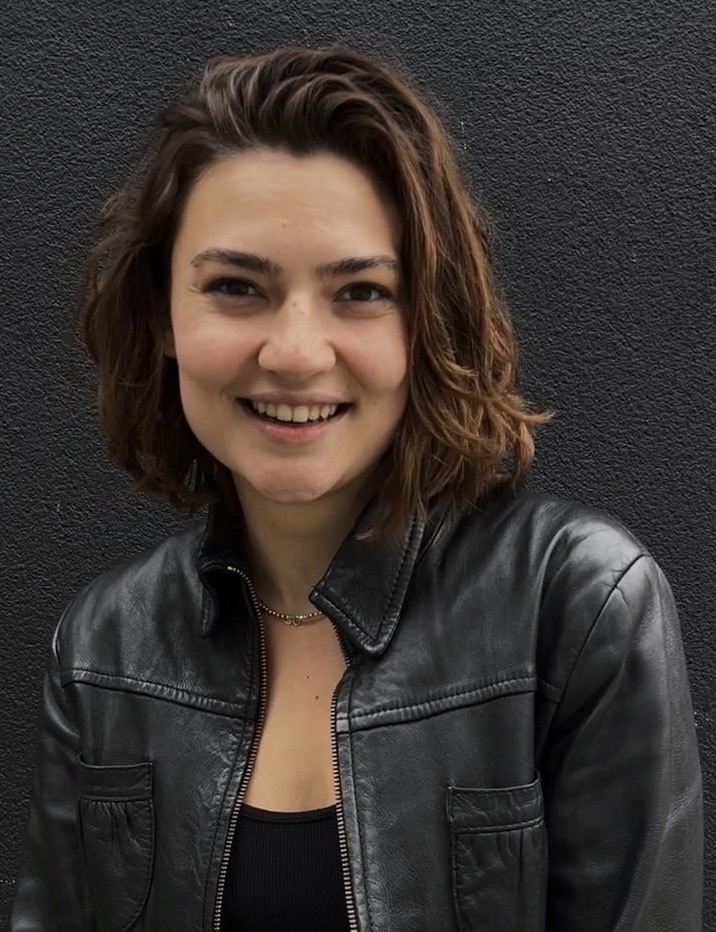
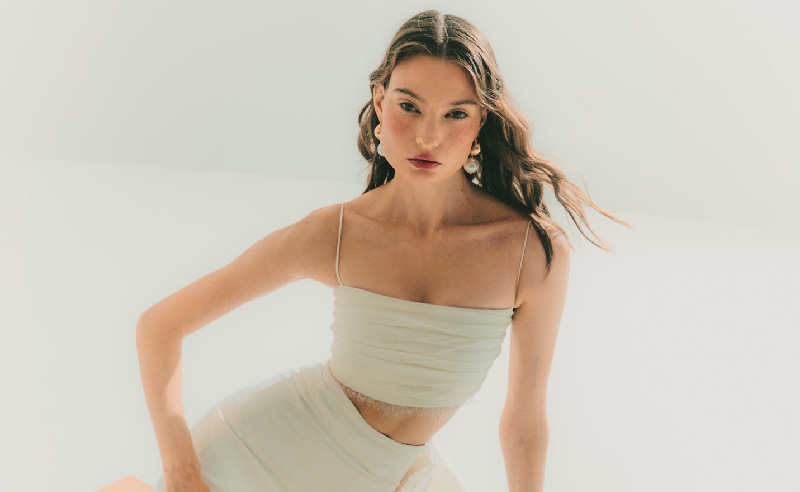
Less than a year ago, Aseel Matarweh launched her eponymous bridal label with a clear perspective on bridalwear. Having grown up in Jordan and later worked in the UAE’s luxury bridal market, Matarweh became increasingly aware of how heavily the industry leaned toward spectacle. “When it comes to bridal it's always a bit out there, a bit more like huge ball gowns, a bit dramatic,” she says. After years working within that world, she saw space for a different kind of bride — one less interested in performance and more interested in recognition. “For people who prefer something that just describes them in a way that doesn’t overdo it, looking for something that they feel comfortable in and special.”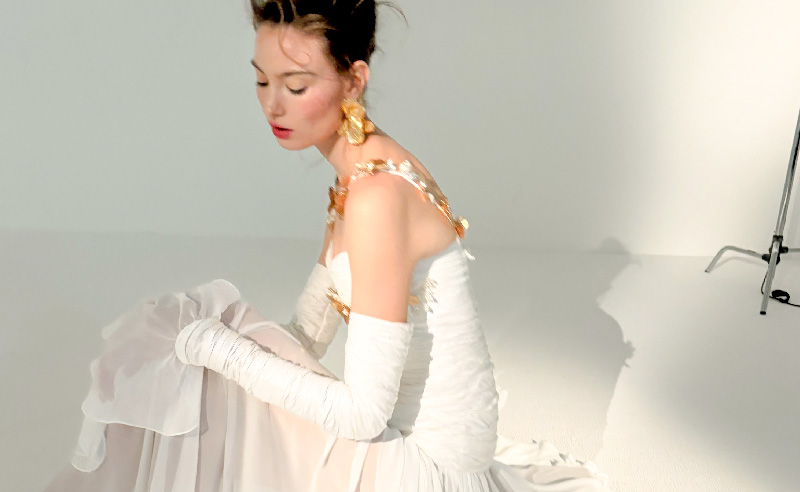 To bring that vision into focus, the Jordan-based designer approaches bridalwear through narrative and intimacy, creating bespoke gowns shaped around the person wearing them. Weddings, after all, are among the most emotionally charged rituals people move through, and Matarweh designs with that emotional residue in mind. She tries, she says, “to create something that’s very sentimental, very personal and has a bit of whimsy.”
Her relationship with fashion began early, first through sewing miniature clothes for dolls and later through an interest in couture that sharpened while studying fashion design at Accademia Italiana in Florence. After graduating, she returned to Jordan during the pandemic intending to launch a ready-to-wear label, but the timing felt uncertain. A later move to Abu Dhabi, where she worked for couture and bespoke house Hamda Al Fahim, redirected her back toward bridal and eveningwear. “Growing up, I’ve always wanted to be an evening and bridal designer,” she says. “Going back to that job made me realize, yeah, this is something that I really want.”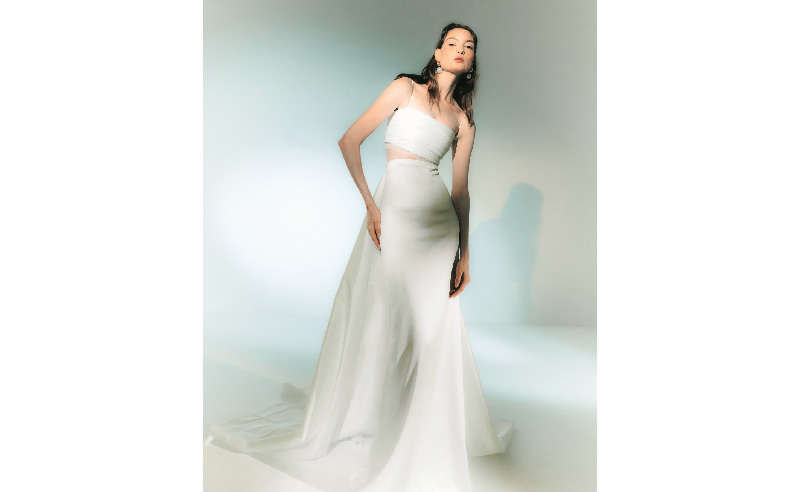 That experience also reshaped her understanding of couture as a collaborative process. Working closely with artisans, particularly embroiderers, introduced her to a technical vocabulary she had not fully encountered during her studies. “I had no idea how to grab a needle, or pick beads or anything,” she says. “So for me that was eye-opening.”
Now, less than a year into building her namesake brand, Matarweh has opened her own atelier in Jordan — an intimate space that combines showroom, fitting area and visible workspace. The studio itself became a family project, developed alongside her brother, an architect, who helped translate her ideas into physical form. “I wanted it to have that kind of intimacy,” she says. “I wanted people to come and see, while they were walking, that there are other people working on their dresses.”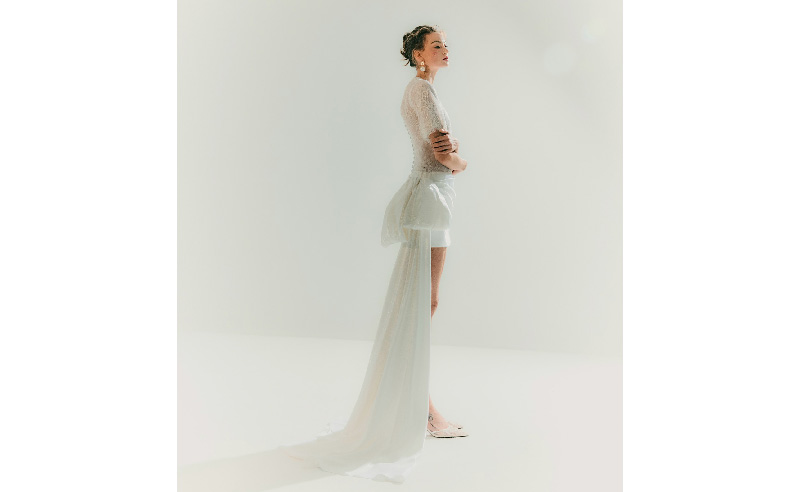 That closeness mirrors the way she approaches design itself. “Stories in general inspire me,” she says. “Since I was a child, I used to write stories.” Each collection begins with a character she builds in her mind before designing around her. Her upcoming collection, scheduled for October, follows a woman moving through different eras of her life. “The eras are different,” Aseel says, “but there’s one part in that woman that stays with her... her being very emotional, kind of misunderstood, trying to become that version of herself that she always dreamt of—just being seen and heard.”
Opening an independent label in Jordan comes with its own realities. Matarweh speaks candidly about the practical limitations of working within a smaller fashion ecosystem, particularly when sourcing materials or finding technical support for more experimental construction and silhouettes. Tailors, she notes, are often trained within more traditional systems of dressmaking. Still, she speaks about the regional industry with measured optimism. “I feel like there has been a growing trust with local designers,” she says. “It’s also a lot easier to find other creatives within the region to collaborate with.”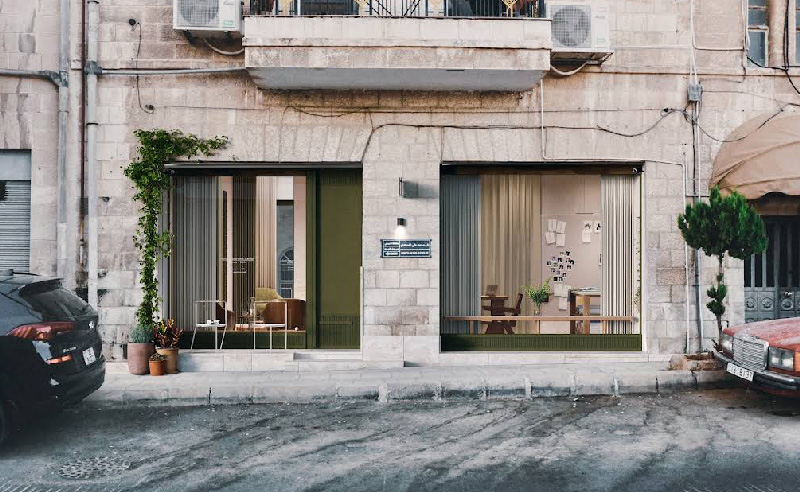 “It feels a bit surreal,” she says, looking around her newly finished studio. “Ever since I was a kid, I just pictured myself being a fashion designer.” Now, with an atelier of her own, a growing stream of clients and a new collection underway, that vision has begun to settle into something tangible. “It’s something that I’ve always dreamt about,” she says. “And now, finally, I have it. Now I can actually work on it.”
- Previous Article Matteo Zappalà on Taking the Reins at Concrete Egypt & FW26