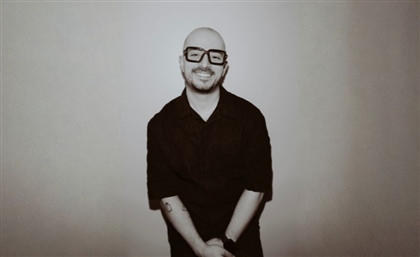
Photographer Saad Ballakhdar Finds Tenderness in the Harshest Light
With work published in Vogue, i-D, and Marie Claire, his photograph bridges the worlds of high fashion and cultural narrative, with a cinematic use of light and surreal compositions.
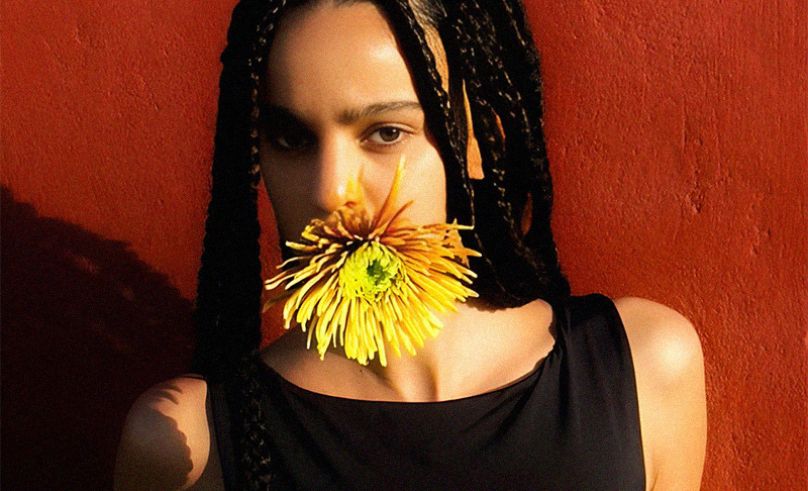
Moroccan photographer Saad Ballakhdar is part of a rising generation of image-makers redefining North African fashion photography. His photographs- published in Vogue, i-D, and Marie Claire- are at once editorially sharp and deeply rooted in place. They are stories stitched together from Morocco’s textures: the sweep of desert dunes, the ochre walls of medinas, the intricate geometry of zellige tiles. But where other photographers might treat heritage as backdrop, Ballakhdar builds a world where tradition is ornamenting, shaping and shaped by the people within his frame.
“I lean more toward being a storyteller,” he tells Scene Styled. “I like to reimagine fashion and create a new world through my lens, where art and fashion meet.”
Ballakhdar’s visual eye was forged long before he picked up a camera. Growing up in Rabat, he was a restless, curious child drawn to the tactile world of Morocco’s artisanal workshops.
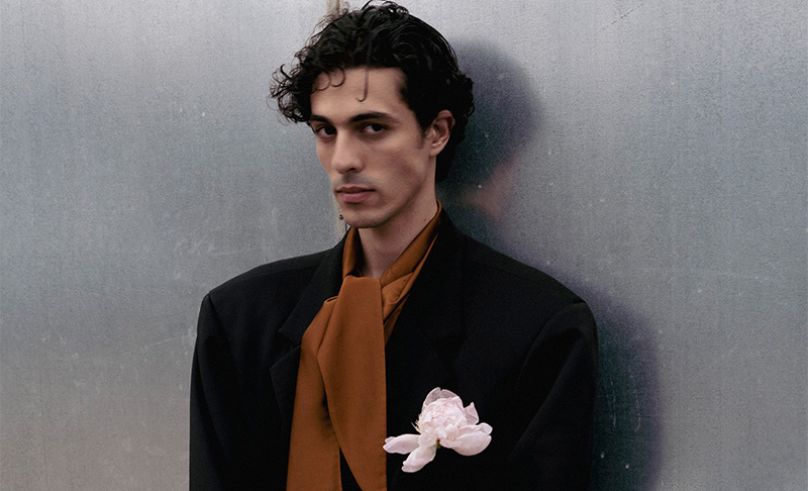 “I used to go around and just watch craftsmen work: carving, weaving, painting. Sometimes they would let me try, and I think that’s why I love creating things with my own hands,” he recalls.
This early intimacy with craft explains his reluctance to be labelled simply as a photographer. Today, his practice stretches across styling, art direction, and even floristry. His latest project, a flower business called Newara, merges botanic forms with fashion, hinting at a new chapter in his multidisciplinary journey.
Still, fashion photography was the first medium to capture his imagination. His early shoots, he admits, left him frustrated. The styling felt underdeveloped, the visual ambition limited. “I figured that if it’s not really fashion, if it’s not elevated then it doesn’t really interest me,” he says. That dissatisfaction became a catalyst, pushing him to raise the bar for what fashion imagery could be.
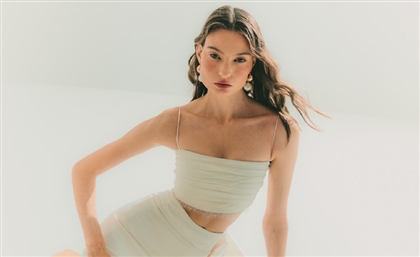
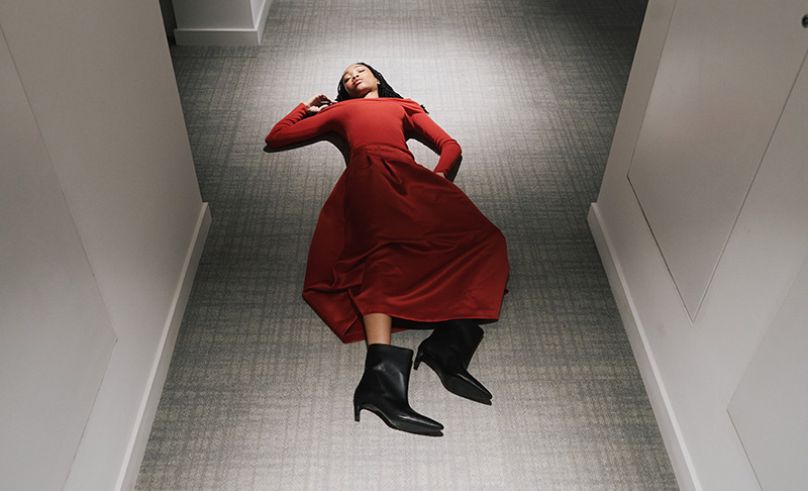 Ballakhdar’s photographs are defined by contrast: the soft drape of fabric against rugged stone, a model’s angular pose beneath a riot of wildflowers, silence framed by movement. His approach to balancing the editorial with the cultural is surprisingly minimalist.
“When merging culture with fashion, sometimes the most important thing is not doing a lot,” he explains. “The more you add, the more it distracts the eye. If the outfit is very strong, I’ll place it in a quiet background. If the background is rich, the styling needs to be pared back. It’s always about contrast.”
Light and shadow are his most trusted collaborators. “They’re like the main characters in my work,” he says. “Light guides you, and shadow suggests.”
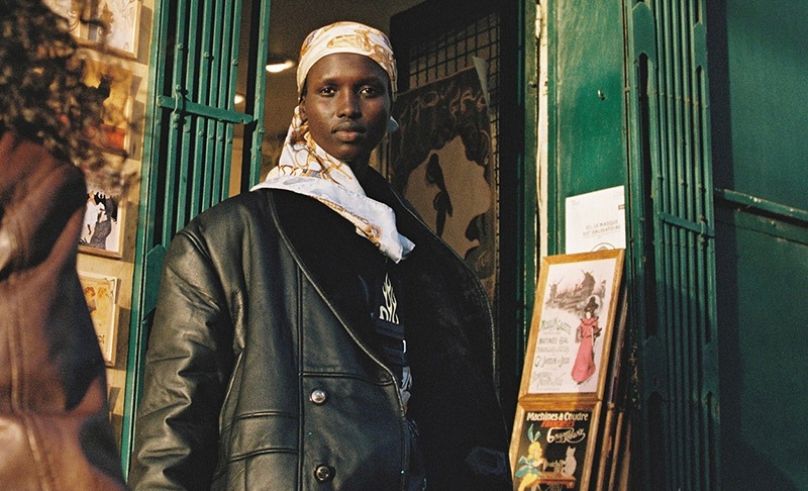 This philosophy lends his photographs a cinematic quality, each image pulsing with mood. A recurring motif is stillness; his models rarely smile or perform, instead radiating a kind of quiet strength. He gravitates toward “atypical beauty,” scouting faces that challenge mainstream ideals. “It’s the kind of beauty you don’t see every day that fascinates me,” he says.
Ballakhdar begins every shoot not with clothes or location, but with mood. “I have to understand the vision- what do we want people to feel?” Once the emotional core is clear, he searches for locations: a crumbling riad, a stark rooftop, a sunlit alleyway. Clothing comes last, selected to either echo or disrupt the chosen setting.
His method speaks to a larger tension in his practice: balancing spontaneity with control. He is exacting about composition, yet willing to embrace the unexpected. His recent experiments with flowers emerged from this openness. Initially a personal fascination, they have become symbols in his photographs, blurring the line between nature and couture.
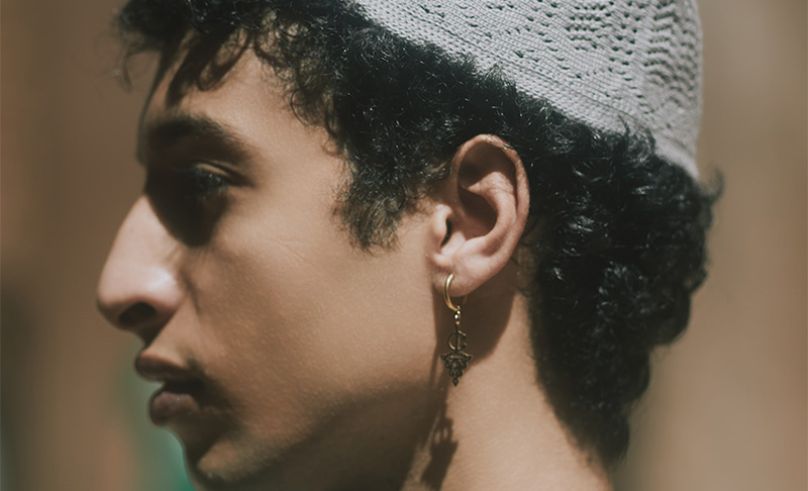 Though rooted in Morocco, Ballakhdar’s career is increasingly international. Many of his clients are based in Europe and the Gulf, even as he dreams of working more closely with local designers. His images bridge these worlds, challenging global audiences to see Moroccan identity not as static heritage but as a living, evolving aesthetic.
“My role as a Moroccan photographer is to bridge cultures,” he says. “I want people to discover the richness of our heritage, our textures, our locations.”
For all his precision, Ballakhdar is ultimately driven by emotion.
“The feeling I want my viewers to be left with is warmth.”
- Previous Article Monochrome Monday: The Pale Blue Edition
- Next Article Tunisian Actress Dorra Zarrouk Breaks Down Her Most Iconic Looks