Moroccan Label Maaÿaz Weaves Ancient Sfifa Craft into Fine Jewellery
Rim and Zineb Dabbagh took what originally belonged to the kaftan, and made it wearable on a daily basis—and around the world.
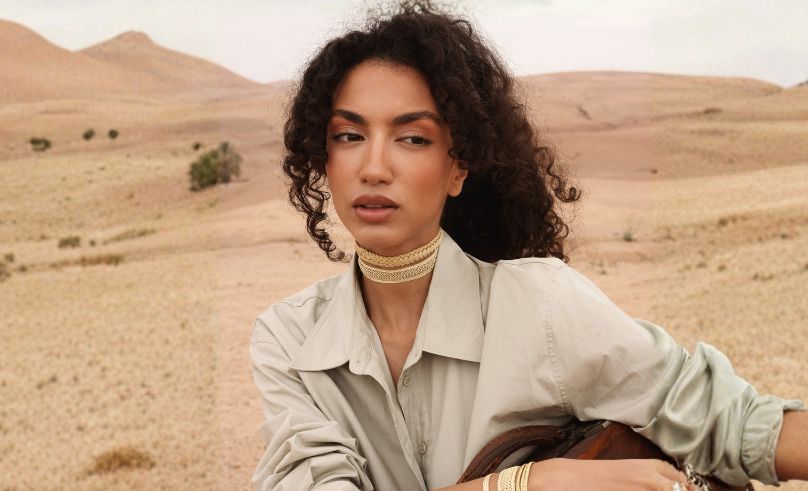
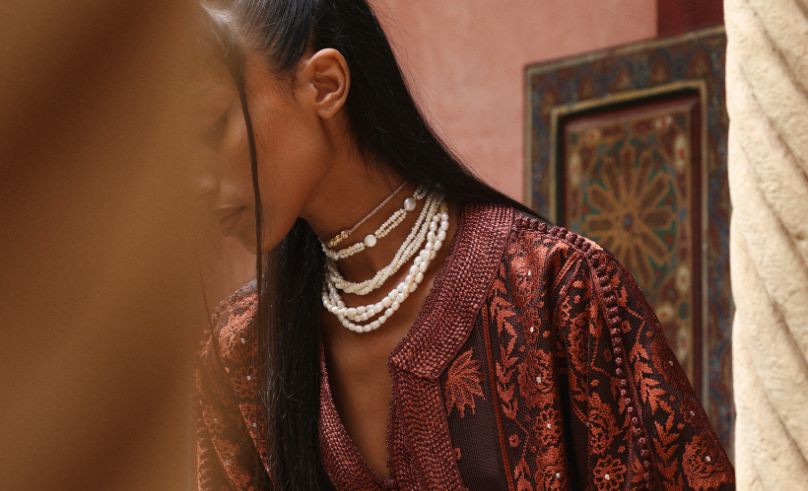
To weave ‘Sfifa’ in ancient Moroccan tradition, artisans begin by spinning fine gold thread before carefully braiding it into ornamental bands. They draw from an embroidery technique that appeared as early as the 9th century, as skilled craftsmen migrated from Al-Andalus to Morocco during the Reconquista, carrying Andalusian artistic influence with them.
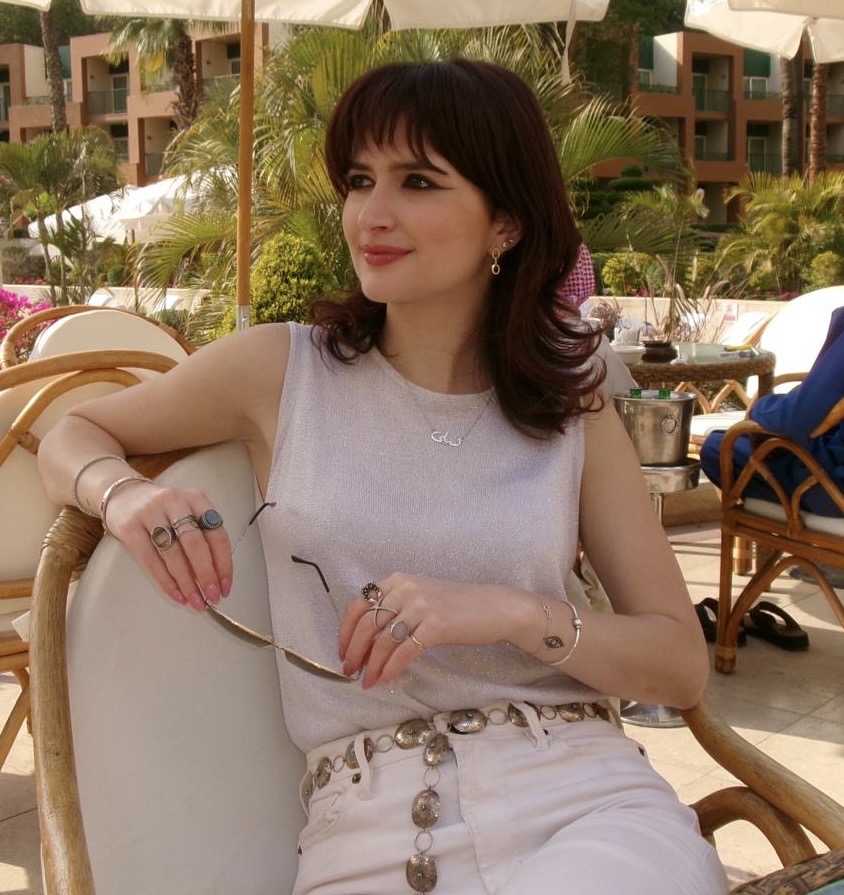
When Zineb Dabbagh had a dress made for her cousin’s wedding, she noticed the tailor had quite a bit of Sfifa leftover. For centuries, it had mainly been used to decorate kaftans, running down the centre and along the sleeves of the loose-fitting robe. It felt wasteful to discard it. “You’re just going to throw that away?” she asked. Instead, he handed it over. Zineb wrapped it around her wrist, and Maaÿaz was born.-2118e82f-7f5c-455f-87d0-b4aa748c7ebb.jpg) “We took what originally belonged to the kaftan, something we saved for weddings and special occasions, and made the heritage wearable on a daily basis,” Zineb’s sister, Rim Dabbagh, said. Rim, the CEO of Maaÿaz, lives in Rabat, while Zineb, the designer, works from New York City. Together, the sister duo founded this Morocco-based, internationally sold jewellery brand.
“We took what originally belonged to the kaftan, something we saved for weddings and special occasions, and made the heritage wearable on a daily basis,” Zineb’s sister, Rim Dabbagh, said. Rim, the CEO of Maaÿaz, lives in Rabat, while Zineb, the designer, works from New York City. Together, the sister duo founded this Morocco-based, internationally sold jewellery brand.
“When we started six years ago, no one was making Sfifa colourful,” Rim said. Threads came in a mix of gold, silver, and rose. But their vision extended beyond the traditional Sfifa gradient. “Being stubborn helped at the beginning. No one wanted to make the thread colourful, but we kept pushing our suppliers to find a way to design it for us.”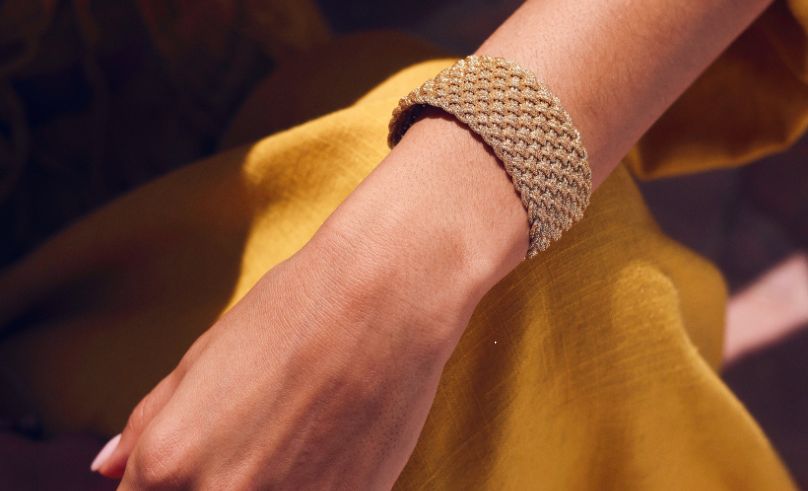 They started with one artisan. Now they employ 15. Maaÿaz works to launch two collections a year, each one rooted in a theme inspired by Moroccan culture and tradition.
In their current collection, ‘Echoes of Zaman,’ designs range from flat braided knots to threads bound in freshwater pearls. The chokers can dress up a strapless white dress on the beach or a T-shirt and light-wash jeans for work. Maaÿaz’s signature bracelets can be worn alone or stacked two or three at a time. On a Zoom call from Morocco, Rim lifted her wrist to the camera to reveal her Luna Bracelet, embellished with 18-carat gold beads. While Maaÿaz began with bracelets, they have since ventured into phone and glasses straps as well.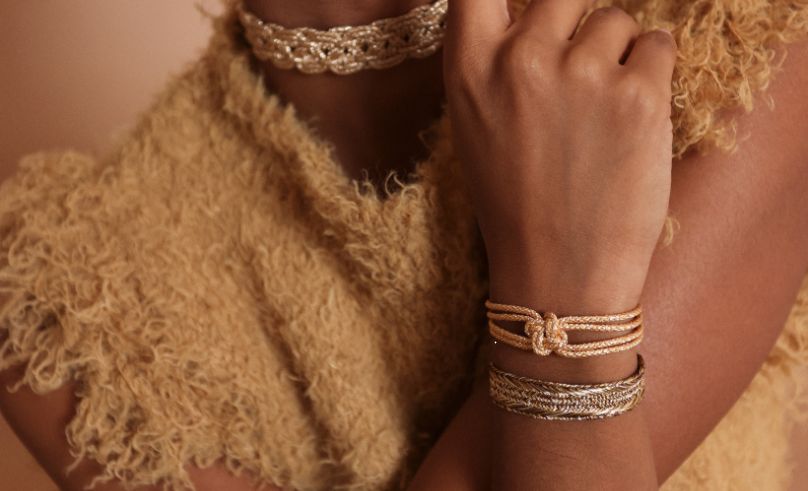 As Maaÿaz innovated its products, it also expanded its market. The brand sells its Moroccan heritage pieces around the world, with 400 active retailers in Europe alone. Maaÿaz has appeared at international trade shows like Maison & Objet in Paris and has been sold in well-known luxury department stores like Le Bon Marché. They are currently working with The Jewellery Showroom, a global wholesale jewellery agency that has helped Maaÿaz develop its brand in China and Japan.
“The potential is endless, really,” Rim added, continuing: “We’re also very proud that we consistently highlight the Moroccan identity behind our work.”
“It’s not something we want to lose as we grow internationally; on the contrary, it’s what we want to emphasize,” she said. “We want people to know that Maaÿaz comes from Morocco, created by a Moroccan, female-owned company.”