Lebanese Designer Rouba Builds Garments From the Things We Survive
The Lebanese designer Rouba G reflects on inherited craft, ethical fashion, and the reality of creating from a country shaped by instability.
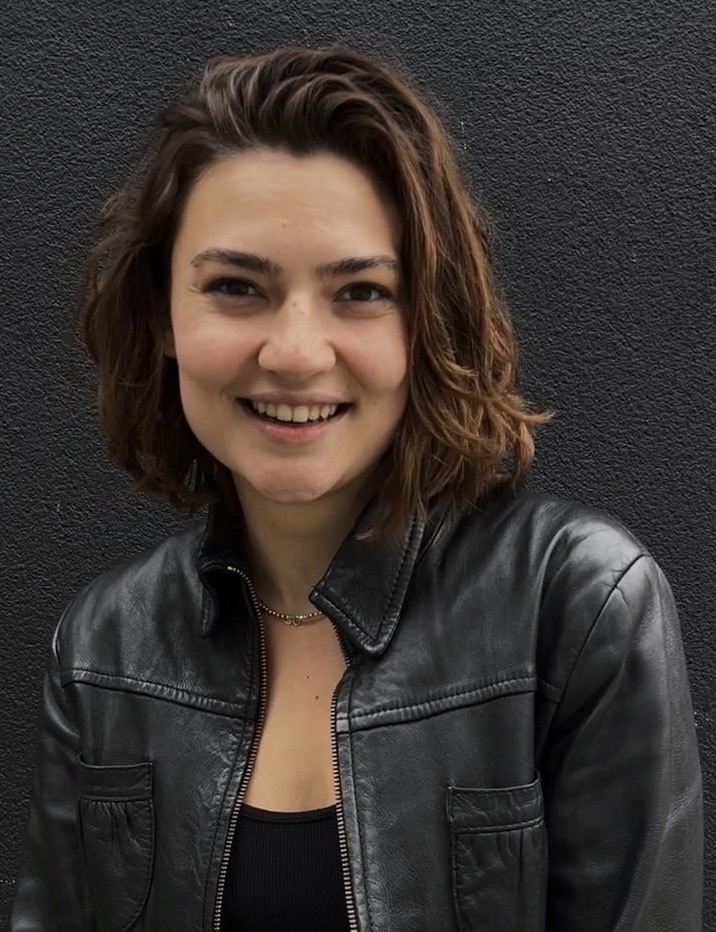
“Fashion design was as if it was something innate,” says designer Rouba G. “My grandmas, both of them and their sisters, were tailors. So it was something that grew in me.”
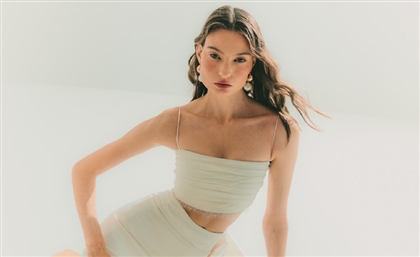
That lineage runs through Lebanese designer Rouba's work like a seam she refuses to close. Raised around cloth, needlework and embroidery, her earliest understanding of making was not romantic, but practical. Her grandmother used handwork to provide for her family after becoming the sole breadwinner. By the age of ten, Rouba was already learning those techniques beside her. Today, they return in subtler, more instinctive ways. “She used to do needle lacing,” she explains. “I tried to implement it in my work… especially with the seams, because I don’t like to do seams in my work. There shouldn’t be a limit to a garment.”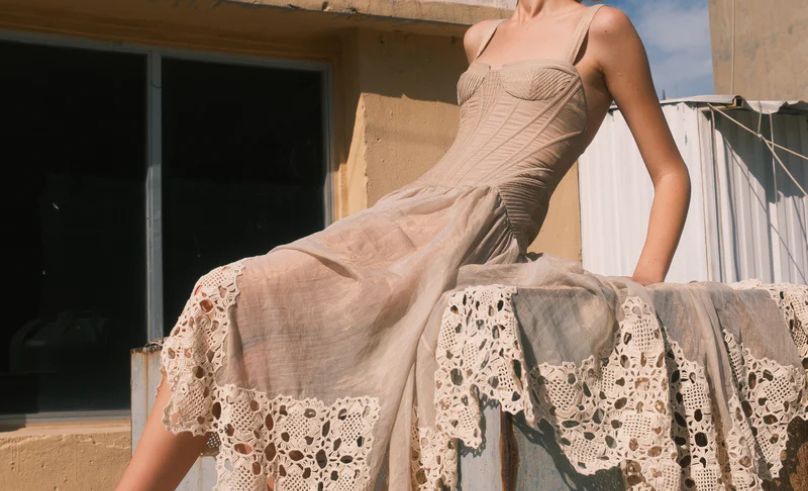 This philosophical understanding of clothing extends into the way she thinks about material, ethics and the realities of building a brand from Lebanon. Rouba is wary of sustainability as a buzzword, particularly when used by an industry still built on opacity. “I don’t believe that anything synthetic will sustain,” she says. “I’m not talking about sustainability, it’s a completely different thing.” For her, responsibility is less about branding and more about decisions: using pure cottons, silks and wools, sourcing dead-stock where possible, and working directly with artisans so “the money would go straight to them.” For example when she worked with Indian hand weavers, “I insisted on putting their tags next to my tag because the material was 100% Indian made, purely and naturally made out of silks or cotton. I wanted to just raise awareness toward that and their work.” This approach seeps in from her Masters where she explored the ethics of fashions and how to build a brand outside the mass-market blueprint.
Still, she is clear-eyed about the limits. “Sadly, not everything that I did in my thesis, I was able to do,” she admits, pointing not only to Lebanon but to fashion’s wider lack of transparency. The work of an independent Lebanese designer is not just to dream, but to negotiate: with suppliers, with scarcity, with ethics that become complicated the moment they touch production.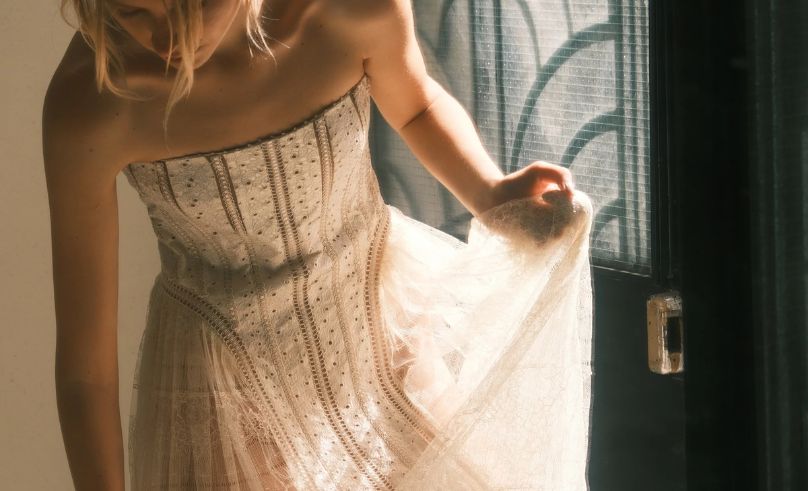 And then there is the more immediate reality: that the question of building a sustainable brand can be overshadowed by the question of building a brand at all, in Lebanon shaped by perpetual instability. “I don’t remember in my entire life when I felt stable in my country. Although I would never leave my country, I love it,” Rouba says. “I’m 36 and I’ve seen seven wars. I was born in a war. This is a sad truth, but also this is where creativity comes—out of the frustrations, and I would like to use that to create more.”
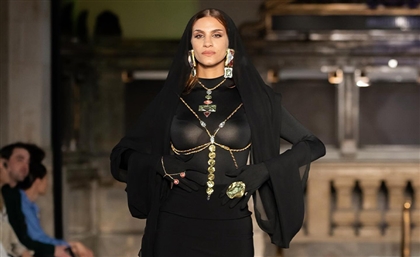
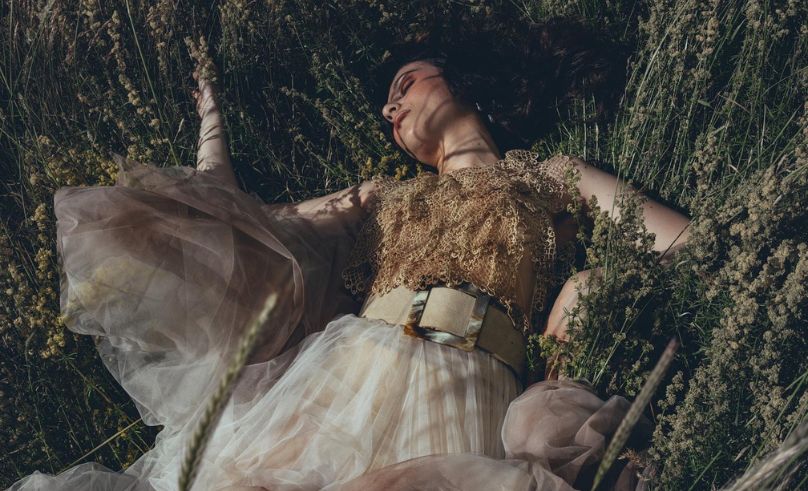
Her recent collection, The Uncarried, turns that tension inward. Part of a three-chapter emotional arc, it follows Love Is OK and A Darker Love, moving from the mess of healing to the residue it leaves behind. During the creation process she references “rewatching a film called Eternity and the Day and you will see the titles of the garments with the characters. The first time I watched it with my dad was when I was 15. It's a very sad movie, but at the same time, it's a relief, you know, it talks about love, about war, about departure.”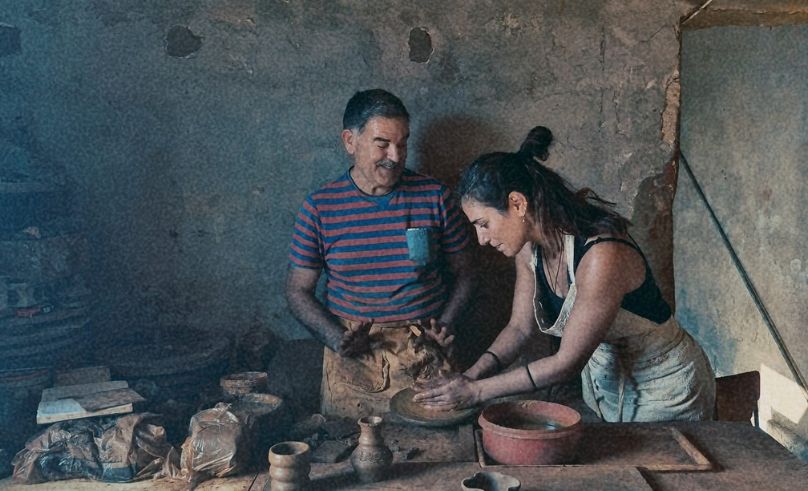 Finally the new collection “the Uncarried is the feeling of release,” she says. “It’s just leaving everything that’s unnecessary behind and letting go.” This collection was deeply personal: “It was a breaking point for me where like it was in a hole for a couple of months.I got into a very deep depression and then I decided one day that I need to get my shit together again and do something. Unlike previous collections, this one began without sketches. Rouba worked directly on the mannequin, drawing onto toile, letting the body become the page. “Everything that I did was out of my feelings rather than thinking of a design process,” she says. “It was very deliberate.”
Reflecting back on these different chapters, Rouba shares, “The collections are very much a part of me. Again, I go back to the idea of making a piece that has a soul.”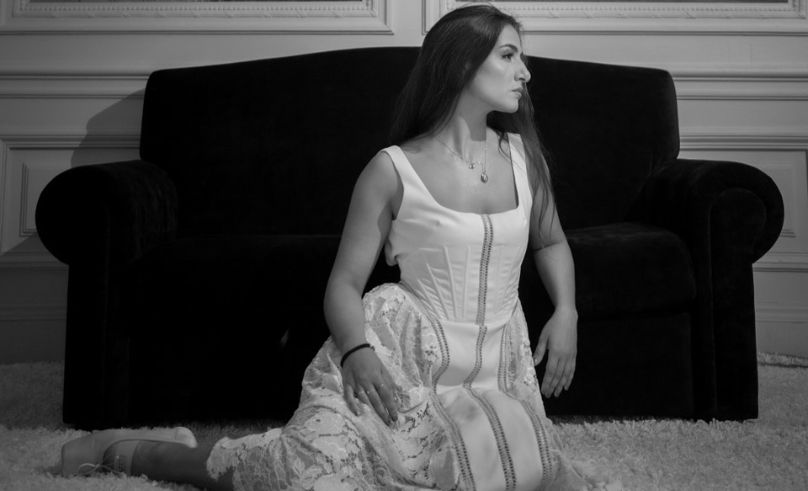 For Rouba, a garment is not alive because it is beautiful. It is alive because it has survived something. “Every collection I do is a part of a journey,” she says. “It could be a healing phase, it could be in the now where I am in the mess of it, or just letting go.” Her clothes give shape and beauty to that passage.
- Previous Article Monochrome Monday: The Lemon Drop Edition
- Next Article Tunisian Actress Dorra Zarrouk Breaks Down Her Most Iconic Looks