How Archif Is Reframing Secondhand Fashion in Lebanon
In this interview, founder Aya Safieddine discusses secondhand luxury in Lebanon, shifting perceptions around vintage, and building a startup under the constant shadow of war.
Originally published on March 25th, 2026
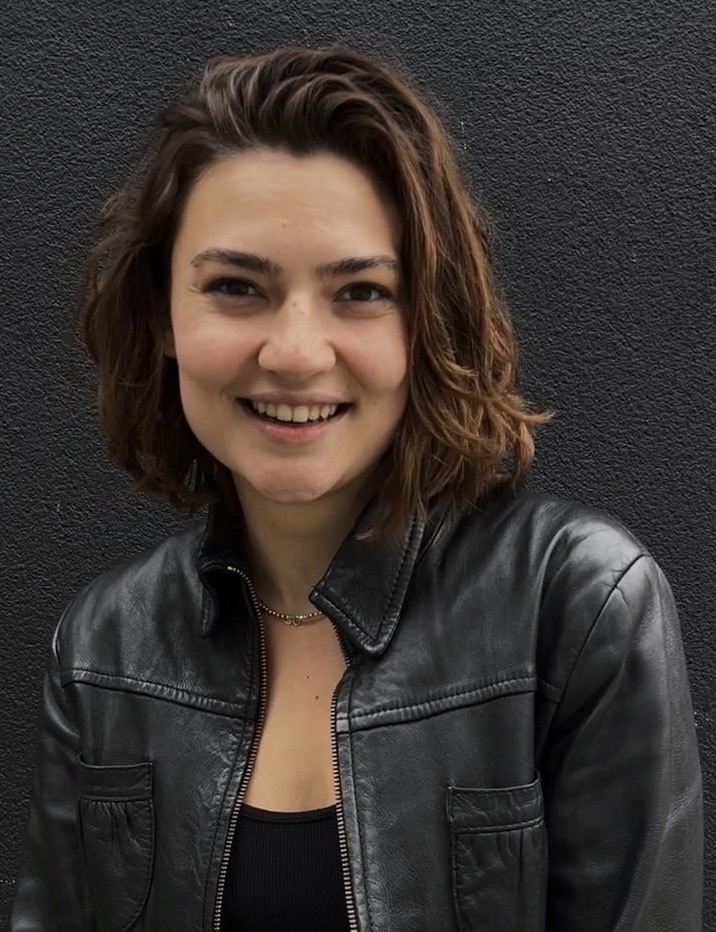
The idea for Archif didn’t begin with a love of fashion per se. It began with an app, a habit, and a shift in how one young founder thought about consumption.
While studying international development in the UK, Aya Safieddine found herself hooked on Vinted, the secondhand resale platform that rewired her relationship to fashion. Suddenly, buying new felt unnecessary. “It completely changed my consumption habits,” she recalls. But the moment that habit turned into a business idea came when she prepared to leave London and return to Lebanon. The absence of anything similar there became glaring. “I was having withdrawal,” she laughs. “I kept thinking, surely we need something like this in Lebanon.”
 At the time, fashion wasn’t even her intended path. Her degree pointed toward NGOs, international development, perhaps even the UN. But the idea lingered long enough to become a passion project, and then something more serious.
The concept began as a public experiment online: a series she called “Help Me Start a Business in Lebanon So I Can Convince My Parents to Let Me Move There.” The plan was simple: graduate in London, move to Beirut, and try to build something from scratch. Then an unexpected detour arrived: acceptance into a startup accelerator at King’s College London, which allowed the project to evolve into a real company.
The irony is that the pull toward Lebanon came from a place she hadn’t actually grown up in. Raised in Nigeria, she had long felt like a third-culture kid – Lebanese by heritage, but distant from the country itself. For years she even resisted it. “I grew up in Nigeria hating Lebanon,” she admits. Visits felt alien, disconnected. It wasn’t until her early twenties – a first love, new friendships, and road trips across the country – that the city began to reveal itself as home.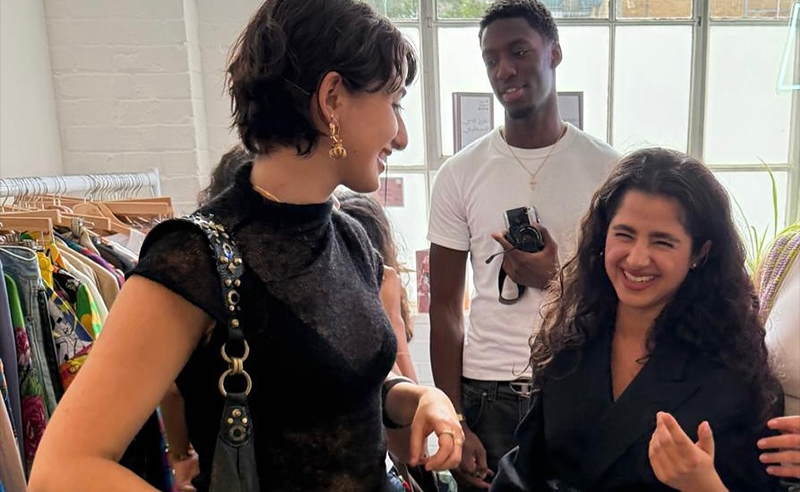 When she finally began building the platform, the Lebanese fashion ecosystem looked intimidating from the outside: elitist and reliant on connections. Yet the reality proved surprisingly collaborative. “It’s such a small scene,” she says. “Once you know a few people, you know everyone. And people actually want to help.”
Still, another challenge lingered: the cultural stigma around secondhand clothing. Only a few years ago, thrifting in Lebanon carried a social awkwardness, something people did in secret rather than publicly embrace. She recalls a moment entering into a thrift store where a woman loudly disdained that the clothes were already worn. When she left the store, the clerk looked at Safieddine eyes rolling and shared that the woman is here weekly. These small moments reflect a wider stigma that understood second hand clothing as only for those who could not afford anything ‘better’.
Instead of positioning the platform around affordability or sustainability, she leaned into luxury. The reasoning came from a piece of advice about Uber’s early strategy. When the ride-sharing service first launched, it didn’t compete with taxis, it positioned itself as a luxury limousine service. Only later did it scale down: “I'm going to start with luxury so that people have a positive perception of buying secondhand in the first place. And then later, we make it more accessible and open it up.” Starting at the top of the market helped shift perceptions in real time. Rather than thrift piles and Zara resales shot on messy beds, the platform curates vintage luxury pieces.
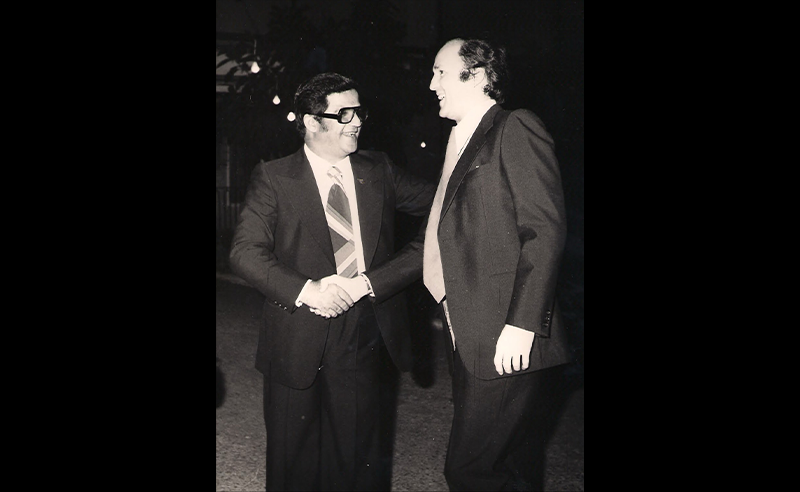 But perhaps the most effective way she shifted those perceptions wasn’t through the product itself, but through storytelling. One of the brand’s first viral moments came through a simple, deeply personal narrative: her grandfather’s jacket. After he passed away, she shared a video about the beautiful clothes he had left behind; “this was a very universal experience for many, we all have these clothes from people.” Now, sometimes when she walks around in Beirut, people recognize her as the girl who wears her grandpa’s jacket, even people sharing that they started to do the same after.
“You can’t buy a story from Zara, their clothes don’t have this type of history” she says.
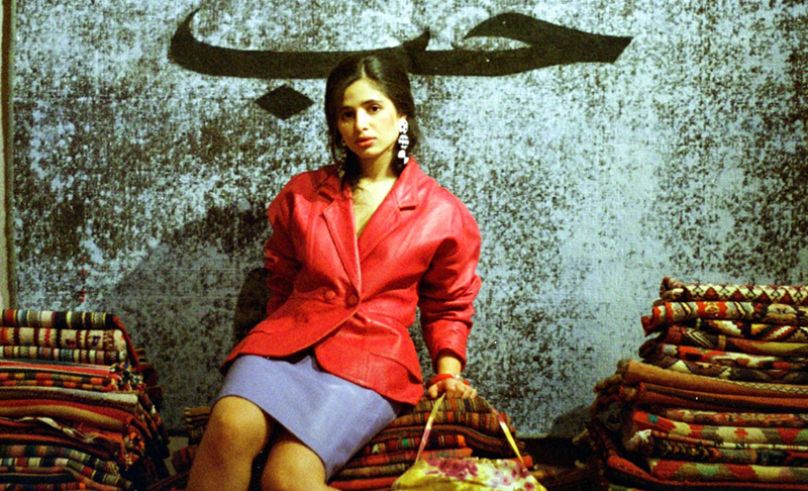
The idea resonated. Suddenly vintage wasn’t about used clothing; it was heritage and the personal histories embedded in garments. This mission extends beyond luxury resale, and combats this notion that luxury is only designated to European brands. Looking forward, she wants the Archif to eventually include regional designers as well. “Maybe the pieces aren’t vintage yet,” she says. “But one day they will be.”
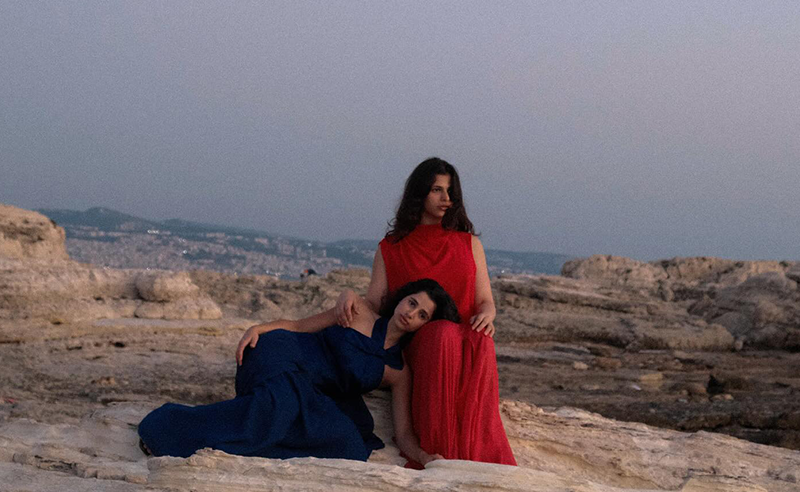 That narrative-shift also reshaped how she approached the business itself. Rather than sourcing everything independently, she built a network of vintage curators and stores who handle sourcing and authentication while the platform acts as a connector.
When she went to the bank to register the business in Lebanon, the clerk was initially excited to hear about the business, but after hearing it was a secondhand fashion venture, the woman dismissed it with a breezy, “Yeah, of course, what else are girls gonna do?” For a moment, Safieddine was forced to see her work through someone else’s eyes: not as a startup, not as infrastructure, not as narrative work or cultural repositioning, but simply as “a girl selling clothes.”
Even if she is just a girl selling clothes, it’s never that simple in Lebanon.
The brand has grown in parallel with the economic crisis, political instability, and the constant shadow of war. She admits that when conflict escalated a few years ago, she felt a deep sense of survivor’s guilt launching a luxury fashion platform while people around her were struggling. But the longer she sat with that tension, the more her perspective shifted. “If I give up now, we’re saying we’re not going to create anything new here. They want you to stop building, to stop investing in this place,” she reflects.
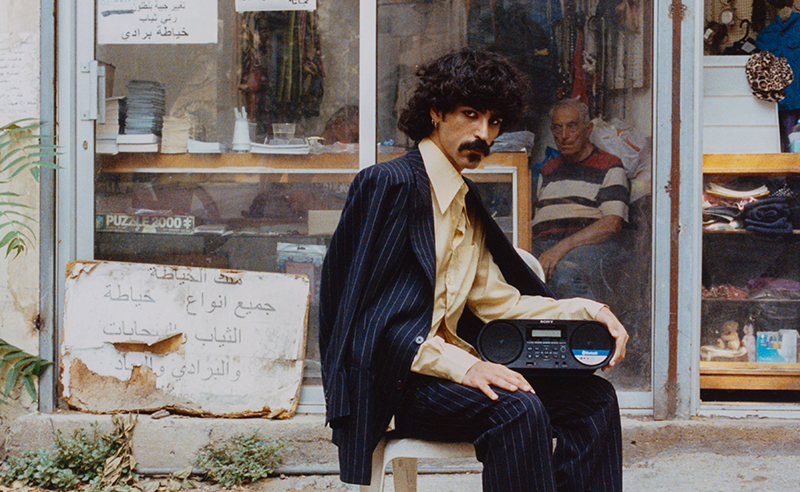 Since the latest escalation of the war on 2 March 2026, that question of whether to stay or leave has felt more acute than ever. “The thought of staying in Lebanon now feels so out of reach, doesn’t feel real or achievable,” she says. Even having the privilege of choice, she notes, is part of a dilemma Lebanese families have been forced to confront for generations. “They poison the soil so that you can’t grow anything there. They want you to feel like there is no hope there.” And yet her answer remains unchanged: “But even so, my answer stays the same. I want to build in Lebanon.”
Since the war, Safieddine has also launched an initiative through Archif to raise $100,000 for displaced families in Lebanon, using fashion as a vehicle for aid. Lebanese brands and influencers are being invited to donate pieces, which will then be sold at an auction in London, with all proceeds going toward relief efforts.
For Safieddine, continuing is her own form of resistance. “That’s where my grandparents are, that’s where my people are. I don’t want to build for the West. I want to build in Lebanon and invest in our future.”
- Previous Article The SceneStyled Sunglasses Alibi Edit
- Next Article Monochrome Monday: The Chicory Coffee edition